
Blog

For book collectors, history enthusiasts, and homeschooling parents alike, building a personal library is an incredibly exciting journey. However, as you browse through used bookstores, antique shops, estate sales, or online catalogs, you will quickly realize that not all books are created equal. Two books sitting side-by-side on a shelf might cover the exact same historical topic, yet one is an invaluable historical resource while the other is practically worthless for deep, authentic study. How do you tell the difference? To help you curate a library of genuine substance, use this diagnostic checklist based on the four key criteria that elevate a simple volume into an invaluable historical resource.
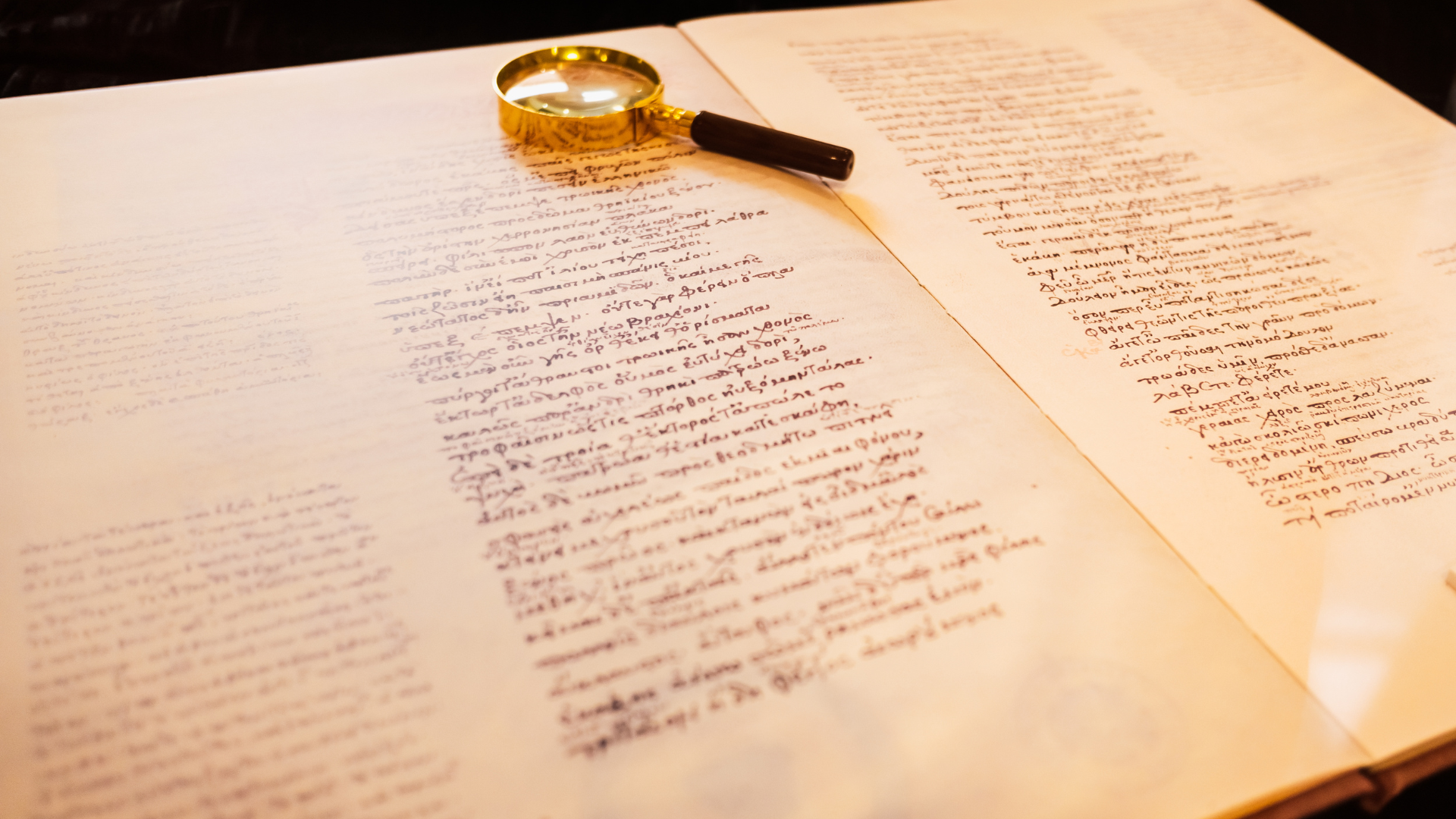
Imagine trying to understand a massive, complex global event by exclusively reading a single social media post written five minutes ago. You would completely miss the deep backstory, the multi-layered motivations of the players, and the long-term context of the situation. Yet, when we read modern commentary about the past, we are doing something remarkably similar. We are looking at history through a highly narrow, contemporary lens. To gain a true, three-dimensional understanding of human history, we must turn our attention to early historical writings penned by authors who were either living through the events themselves or standing directly on their chronological heels.

We live in an increasingly fast-paced, throwaway culture. We upgrade our smartphones every two years, replace our furniture at the first sign of wear, and abandon old media formats without a second thought. While this "out with the old, in with the new" mentality might be harmless when applied to consumer electronics, it is catastrophic when applied to our historical literature. Preserving physical historical literature is not a quaint, nostalgic hobby for collectors; it is a vital cultural and civilizational duty required to protect objective truth for future generations.
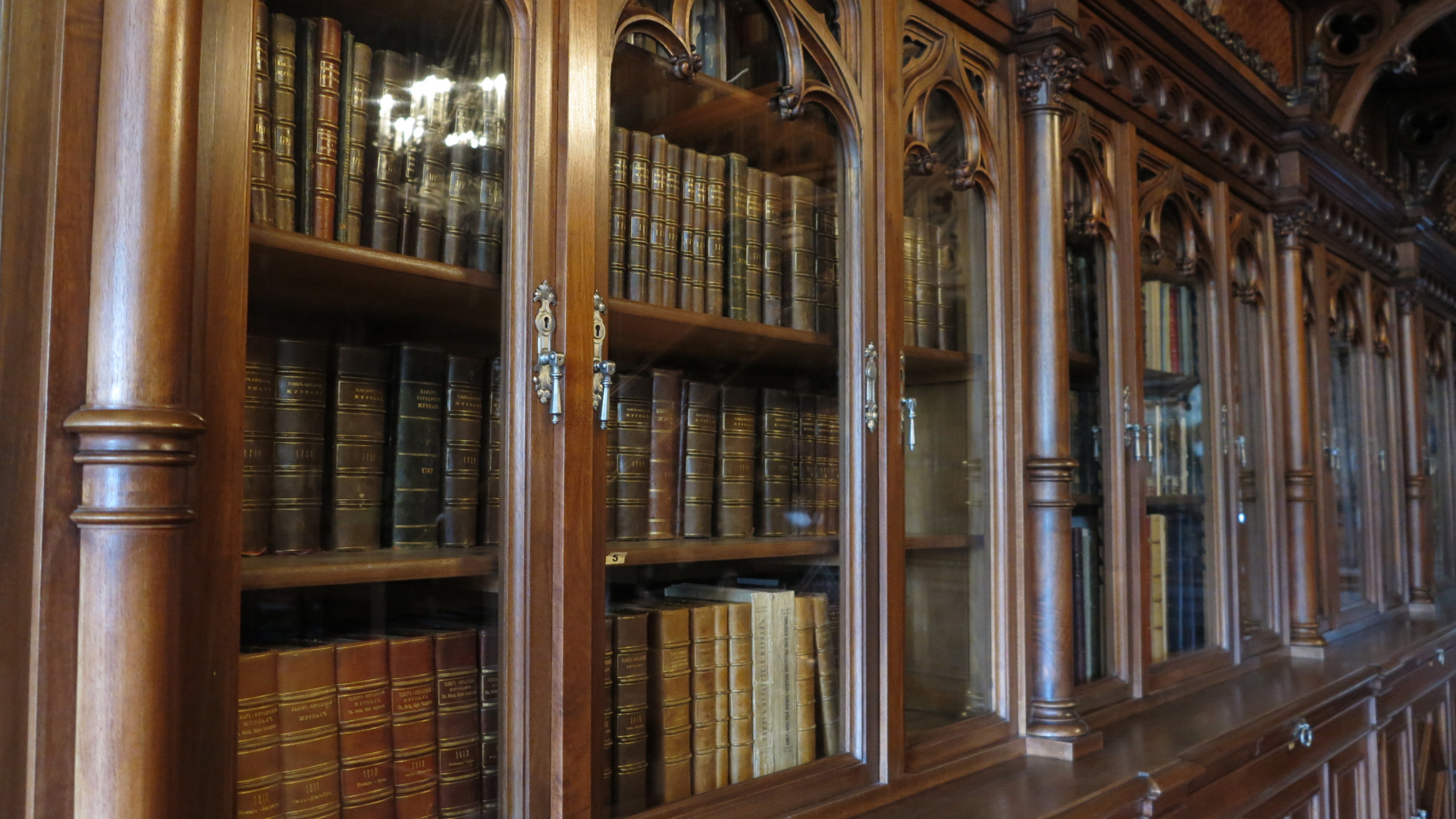
For Latter-day Saint families, studying history is vastly more than just an academic pursuit—it is a core element of spiritual identity and covenant heritage. The early history of the Church of Jesus Christ of Latter-day Saints is an epic, unmatched saga of unyielding faith, intense physical sacrifice, divine manifestation, and pioneering resilience. However, we live in a noisy digital world filled with conflicting opinions, highly edited historical snippets, and widespread misinformation. To truly appreciate this heritage and build an unshakeable foundation of truth, Latter-day Saint families need access to original, foundational texts right on their own living room bookshelves.
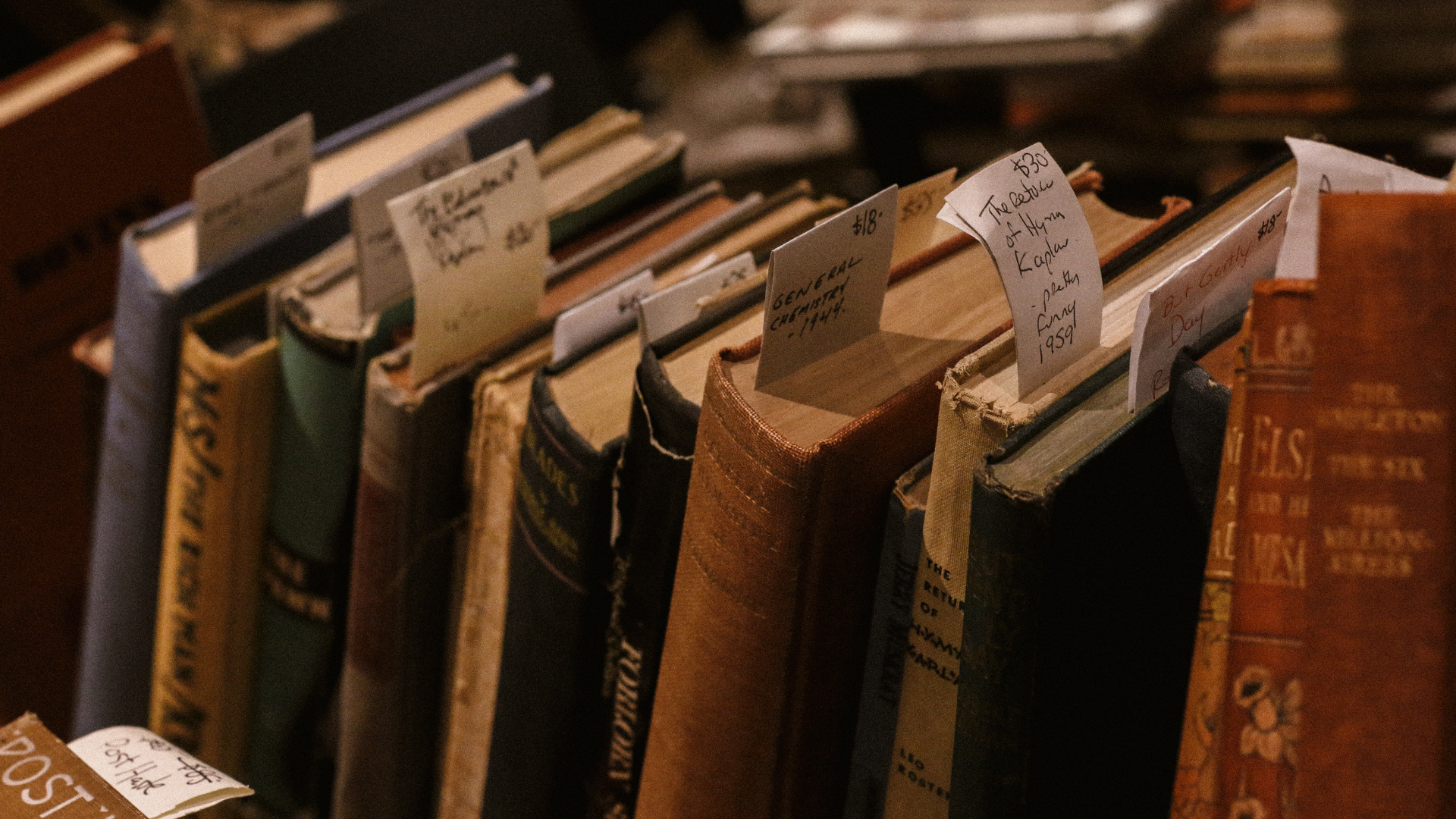
We live in an era dominated by the digital cloud. With a few taps on a smartphone, we can access millions of web pages, digitized files, and instant e-books. Because of this digital abundance, our society has fallen prey to a dangerous misconception: the belief that everything worth knowing has already been scanned, uploaded, and preserved on the internet. In reality, vast oceans of profound human knowledge, vital cultural perspectives, and specific historical narratives remain locked away inside rare, out-of-print books. If we allow these physical volumes to collect dust, decay, or be thrown away, we allow irreplaceable pieces of our collective historical memory to vanish forever.

When we want to understand an event from the past, our modern instinct is to reach for what is convenient. We order a newly published, sleek biography from a major publishing house or scroll through a quick, highly edited summary on an educational website. These resources are undeniably clean, concise, and easy to digest. However, relying solely on modern summaries is like looking at a famous renaissance painting through a heavily tinted, foggy window. You might catch the basic shapes, outlines, and colors, but you completely miss the brushstrokes, the raw texture, and the true emotion of the masterpiece. To truly look history in the eye, we must bypass the modern middleman and go directly to firsthand historical accounts.