Why Firsthand Historical Accounts Matter More Than Modern Summaries
When we want to understand an event from the past, our modern instinct is to reach for what is convenient. We order a newly published, sleek biography from a major publishing house or scroll through a quick, highly edited summary on an educational website. These resources are undeniably clean, concise, and easy to digest.
However, relying solely on modern summaries is like looking at a famous renaissance painting through a heavily tinted, foggy window. You might catch the basic shapes, outlines, and colors, but you completely miss the brushstrokes, the raw texture, and the true emotion of the masterpiece. To truly look history in the eye, we must bypass the modern middleman and go directly to firsthand historical accounts.
The Problem with the Modern Filter: Understanding "Presentism"
Every modern historian, no matter how objectively they try to conduct their research, writes through the lens of their own contemporary world. They are influenced by current political climates, cultural shifts, and personal biases. When a modern writer summarizes an event that occurred 150 or 200 years ago, they inevitably engage in what historians call presentism—the tendency to judge past actions and mindsets solely by modern moral and social standards.
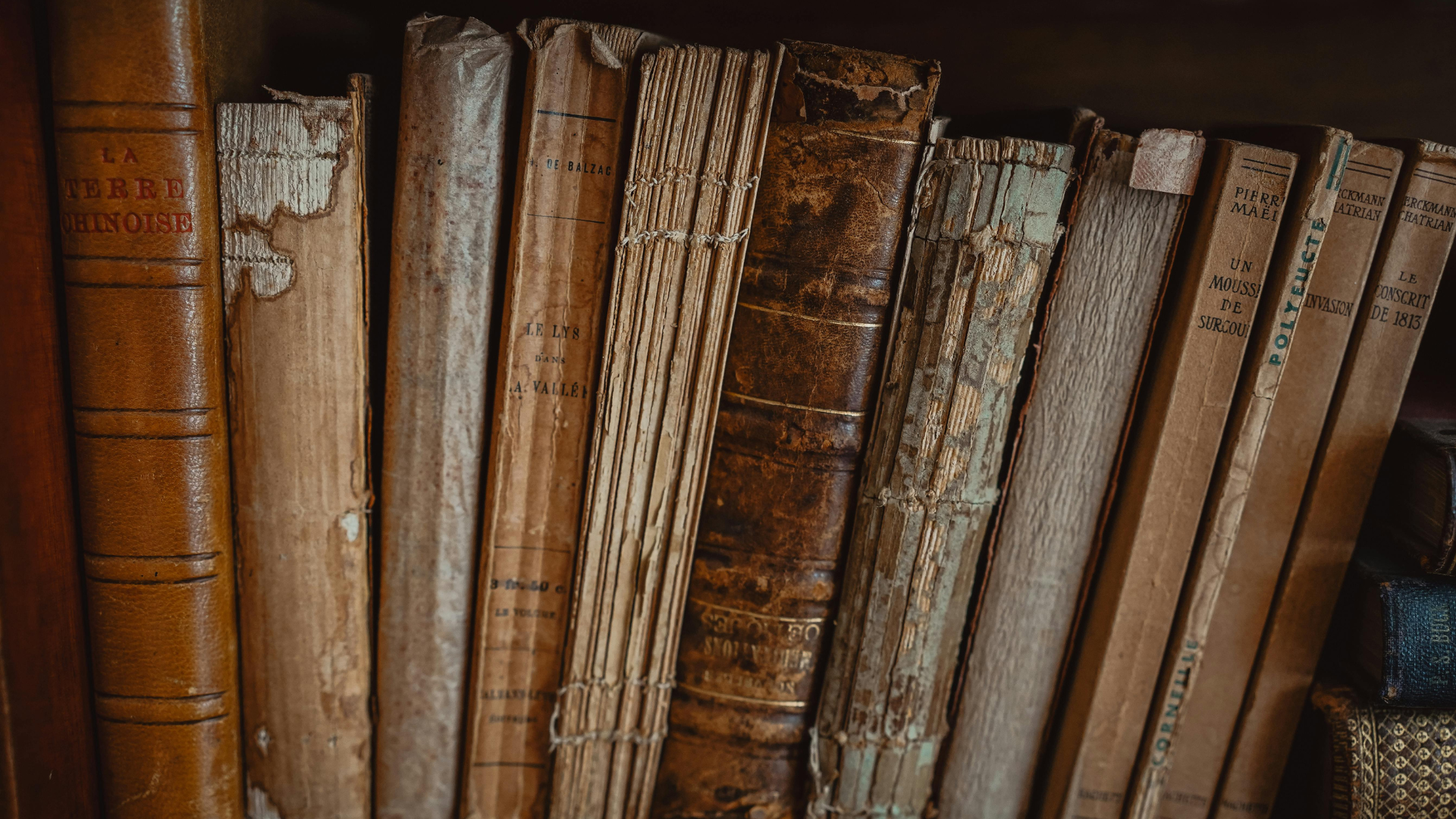
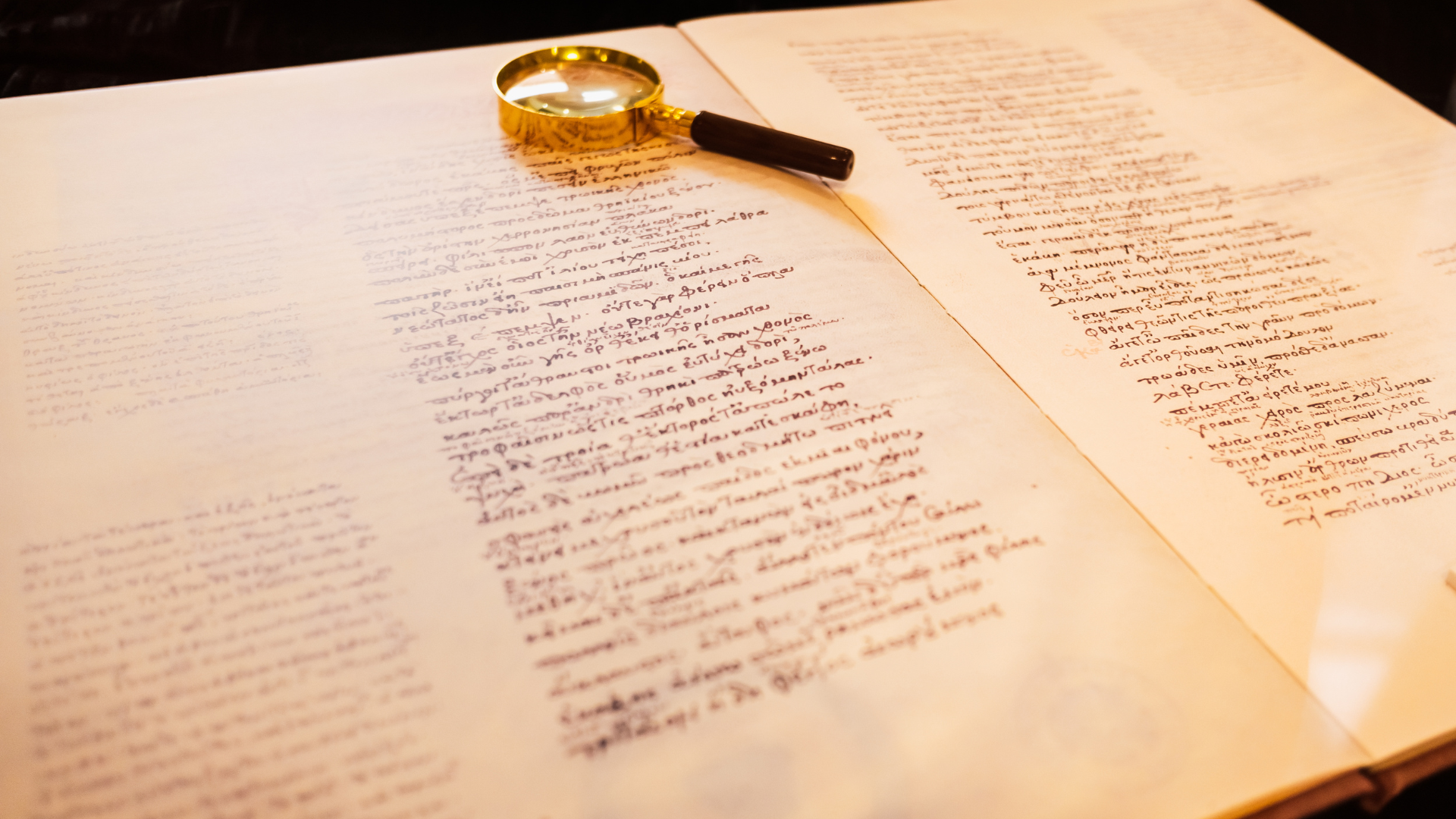
Firsthand accounts—such as unedited diaries, personal letters, uncut speeches, and contemporary newspaper articles—offer history completely raw. They preserve the past before it has been scrubbed, sanitized, or reshaped to fit a modern narrative. They allow us to see how people actually thought, spoke, and made decisions within the terrifyingly complex realities of their own time, not ours.
┌────────────────────────────────────────────────────────┐
│ THE HISTORICAL PIPELINE │
├────────────────────────────────────────────────────────┤
│ [Raw Historical Event] │
│ │ │
│ ▼ │
│ [Firsthand Accounts] <--- Pure, unfiltered reality │
│ │ │
│ ▼ │
│ [Modern Summaries] <--- Filtered by modern biases │
└────────────────────────────────────────────────────────┘
The Psychological Truth of the Moment
A modern summary can tell you accurately what happened, but a firsthand account reveals what it felt like while it was happening. Consider how a standard textbook condenses a historical migration:
"The pioneers faced harsh winter conditions, rocky terrain, and scarce food supplies during their journey westward, resulting in significant hardships."
That is accurate data, but it does not move the human soul. Now, contrast that with an actual diary entry from a mother written on that exact trail, describing the ink freezing on her pen as she writes by a dying campfire, rationing out the last cup of flour to ensure her youngest child survives until morning.
Suddenly, history ceases to be an academic chore to be memorized for a grade. It becomes an intimate, psychological reality. Firsthand accounts build a bridge of genuine human empathy across the centuries, connecting our hearts directly to the real, breathing individuals who built our world.
Cultivating True Intellectual Independence
When we fill our homes and minds with firsthand accounts, we are inviting our children and ourselves to step into the shoes of an investigative historical detective. Instead of passively accepting a modern author’s pre-packaged conclusions, the reader must analyze the source material independently.
- Evaluate Motives: Why did this person write this specific letter or journal entry?
- Identify Pressures: What were the immediate political, financial, or social pressures surrounding them at that exact second?
- Uncover Hidden Truths: What details did they witness on the ground that mainstream history textbooks completely left out?
This brand of critical thinking is vital. By teaching the rising generation to seek out original, foundational sources in history, we train them to become discerning, unshakeable seekers of truth in an age dominated by modern media spin.