What Makes a Book a Valuable Historical Resource?
For book collectors, history enthusiasts, and homeschooling parents alike, building a personal library is an incredibly exciting journey. However, as you browse through used bookstores, antique shops, estate sales, or online catalogs, you will quickly realize that not all books are created equal. Two books sitting side-by-side on a shelf might cover the exact same historical topic, yet one is an invaluable historical resource while the other is practically worthless for deep, authentic study.
How do you tell the difference? To help you curate a library of genuine substance, use this diagnostic checklist based on the four key criteria that elevate a simple volume into an invaluable historical resource.
1. Chronological Proximity to the Target Event
As an unbending rule of historical analysis, the closer a book’s publication date is to the events it describes, the more valuable it is as a primary historical resource.
A book about the American Revolutionary War printed in 1795 by an author who physically interviewed aging veterans is infinitely more valuable than a book written on the same topic in 1995. Proximity minimizes the "telephone game" effect of history, capturing human memories before they are faded by time, clouded by nostalgia, or altered by generational political shifts.
2. Absolute Textual Integrity (Unedited and Uncensored)
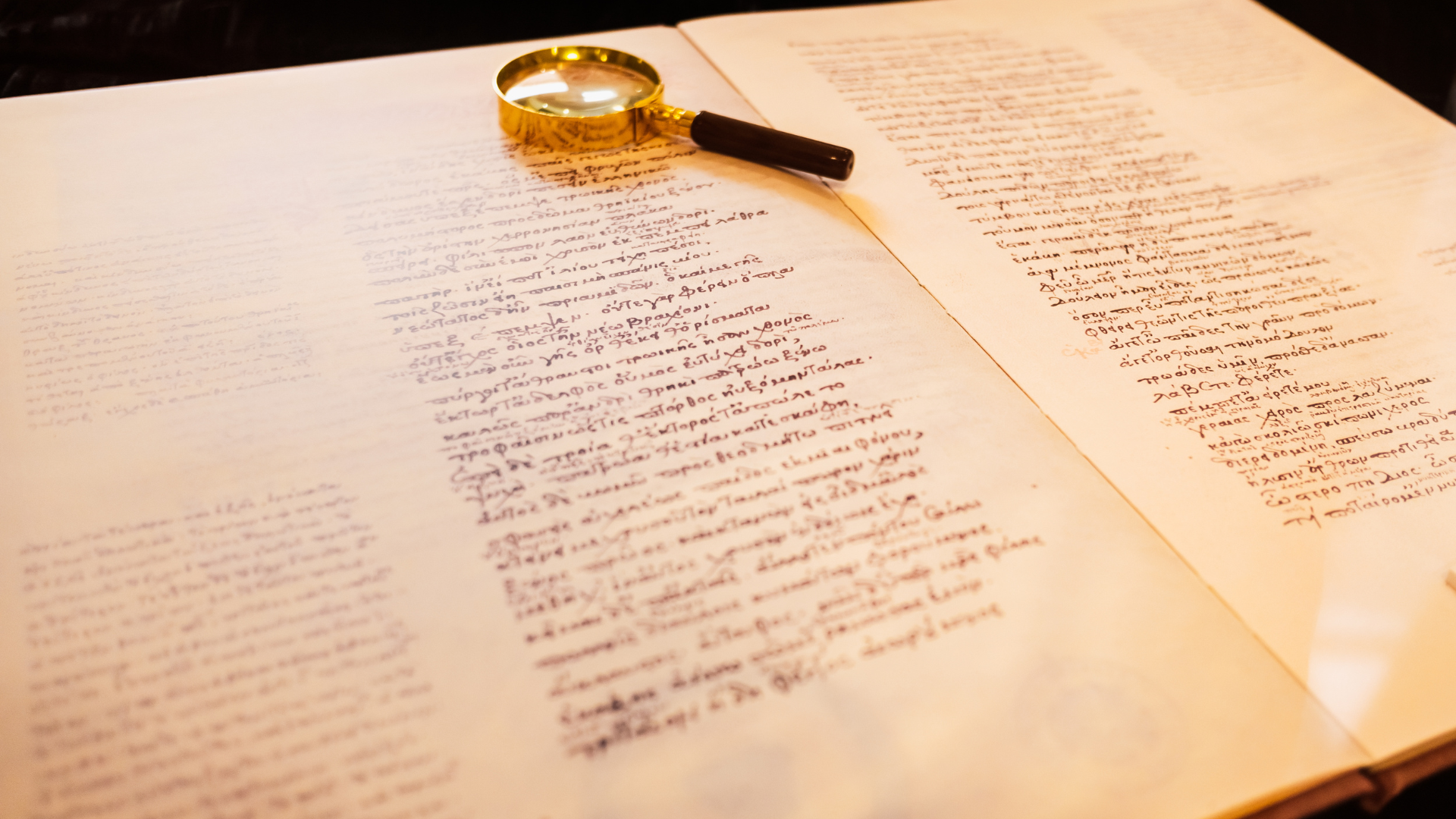
A truly valuable historical resource presents the past without gloves. It preserves the original spelling, the archaic punctuation, the uncomfortable political realities, and the precise phrasing used by the author when the book was born.
A Warning on Modern Editions: Beware of modern editions that boast of being "updated for modern readers," "abridged for clarity," or "cleaned up for contemporary sensibilities." These updates are frequently code words for silent censorship, the removal of complex theological or philosophical arguments, or the altering of period-typical language to avoid modern offense. A valuable historical reprint will always maintain total textual integrity, presenting the work exactly as the author intended it to be read.
3. The Presence of a "Critical Apparatus" and Primary Documents
A superior historical volume does not ask you to simply take the author's modern word for it. It backs up its narrative by printing actual historical documentation directly within its pages.
When evaluating a book, look for the following features:
- Appendices: Packed with the complete text of original letters, treaties, and legislative acts.
- Direct Transcriptions: Unedited blockquotes of eye-witness testimonies.
- Visual Documentation: Reproductions of contemporary maps, original illustrations, and newspaper clippings from the era.
When a book includes these primary documents, it transforms from a simple narrative into a portable, standalone research archive for your home.
4. Sincerity and Stewardship of the Author
The final, crucial criterion is the intent and character of the author. The most valuable historical resources were written by individuals who possessed a deep, sincere sense of stewardship toward the truth—people who felt a duty to preserve accurate records for posterity.
This stands in stark contrast to authors who write flashy, sensationalist pieces designed to capitalize on a brief political trend or score points in a modern cultural war. When an author writes with a reverence for truth and a dedication to detail, their work carries a weight of authority and honesty that transforms their book into an enduring classic.
┌──────────────────────────────────────────────────────────────────┐
│ THE VALUE SCORING SYSTEM │
├──────────────────────────────────────────────────────────────────┤
│ [ ] Published close to the actual event? │
│ [ ] Text is 100% unedited and unabridged? │
│ [ ] Contains original letters, maps, or source documents? │
│ [ ] Author's intent was preservation, not modern spin? │
└──────────────────────────────────────────────────────────────────┘
By applying these four criteria to the books you bring across your threshold, you will build a robust home library of authentic historical resources that will protect the truth and enlighten your family for generations to come.