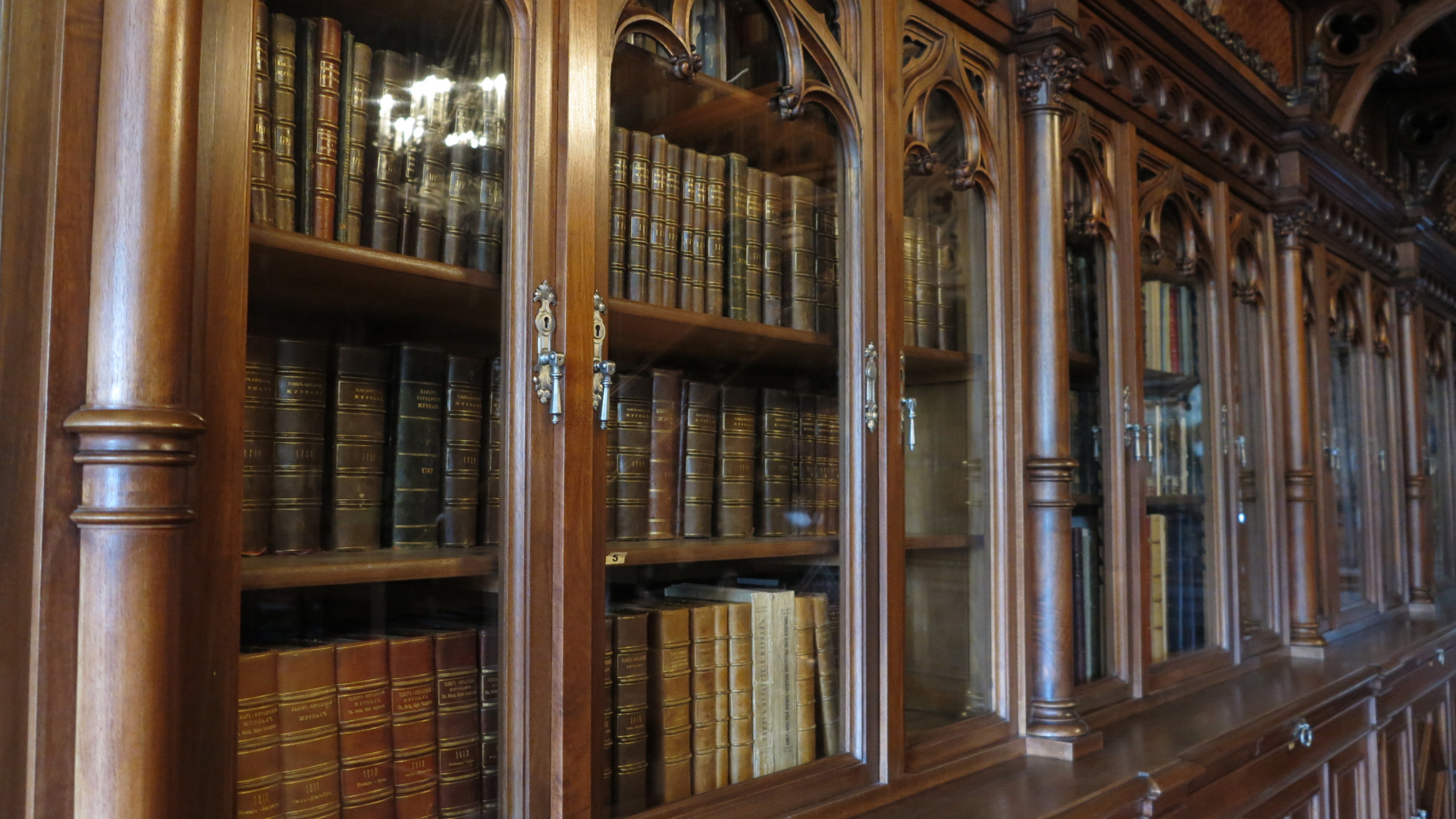
How Early Historical Writings Provide a Unique Perspective on the Past
Imagine trying to understand a massive, complex global event by exclusively reading a single social media post written five minutes ago. You would completely miss the deep backstory, the multi-layered motivations of the players, and the long-term context of the situation.
Yet, when we read modern commentary about the past, we are doing something remarkably similar. We are looking at history through a highly narrow, contemporary lens. To gain a true, three-dimensional understanding of human history, we must turn our attention to early historical writings penned by authors who were either living through the events themselves or standing directly on their chronological heels.

Capturing the Authentic "Atmosphere" of an Era
Every historical period possesses its own distinct, unrepeatable "atmosphere"—a unique ecosystem of cultural assumptions, intense religious devotion, specific idioms, and societal anxieties. Modern writers, no matter how many years they spend analyzing documents in archives, cannot fully recreate this atmosphere. Their prose will always carry a modern accent.
When you open an early historical work written in the 18th or 19th century, you are instantly immersed in that authentic atmosphere. The vocabulary, the complex sentence structures, and the rhetorical styles give you a genuine taste of the period's mindset.
You begin to understand not just what people did, but the entire cultural and spiritual framework that made those choices completely logical to them. You hear the past speaking in its native tongue.
Experiencing History Without the Distortion of Hindsight
When modern authors write about history, they write with the massive benefit—and distortion—of hindsight. They know who won the war, which economic policies succeeded, which political movements collapsed, and how the social experiments ended. Because they know the final outcome, their narratives often make history look inevitable, smoothing over the sheer chaos and uncertainty of the moment.
Early historical writings, however, preserve the raw, electric tension of the unknown. When you read contemporary accounts or early histories, you are reminded that the historical figures had absolutely no idea how things would turn out.
[Modern History Writing] ───► Imposes predictable, neat outcomes (Hindsight Bias)
[Early History Writing] ───► Preserves raw uncertainty, fear, and true courage
You read the words of generals who were genuinely terrified of losing the next day's battle, and citizens who were making massive, life-altering gambles on the future. This lack of hindsight provides a far more honest, gritty look at the human condition, reminding us that history is forged through raw courage and faith in the midst of uncertainty, not predictable, linear outcomes.
Unearthing the Voices Lost to Mainstream History
Over the course of generations, mainstream history tends to radically streamline its narrative. It focuses exclusively on a few major names, massive battles, and monumental events, scrubbing away the fascinating side-quests of human experience.
Early historical volumes, however, are often packed with references to:
- Lesser-known local heroes and community leaders who made vital contributions.
- Regional spiritual movements and localized revivals that shifted cultural landscapes.
- Fascinating eyewitness testimonies that contradict the streamlined, modern consensus.
Opening an early historical text allows you to make your own historical discoveries, unearthing forgotten stories of valor, faith, and ingenuity that can inspire your family in deep, unexpected ways.