The Importance of Preserving Historical Literature for Future Generations
We live in an increasingly fast-paced, throwaway culture. We upgrade our smartphones every two years, replace our furniture at the first sign of wear, and abandon old media formats without a second thought. While this "out with the old, in with the new" mentality might be harmless when applied to consumer electronics, it is catastrophic when applied to our historical literature.
Preserving physical historical literature is not a quaint, nostalgic hobby for collectors; it is a vital cultural and civilizational duty required to protect objective truth for future generations.
Guarding Against the Silent Alteration of the Past
One of the greatest, quietest dangers of the purely digital age is the ease with which texts can be altered behind the scenes. Digital articles, e-books, and online encyclopedias can be quietly edited, censored, updated, or completely deleted overnight by corporate monopolies, political groups, or shifting cultural trends. If a historical reality or a philosophical concept becomes uncomfortable or non-compliant with modern cultural norms, it can be erased from the digital cloud with a single line of code.
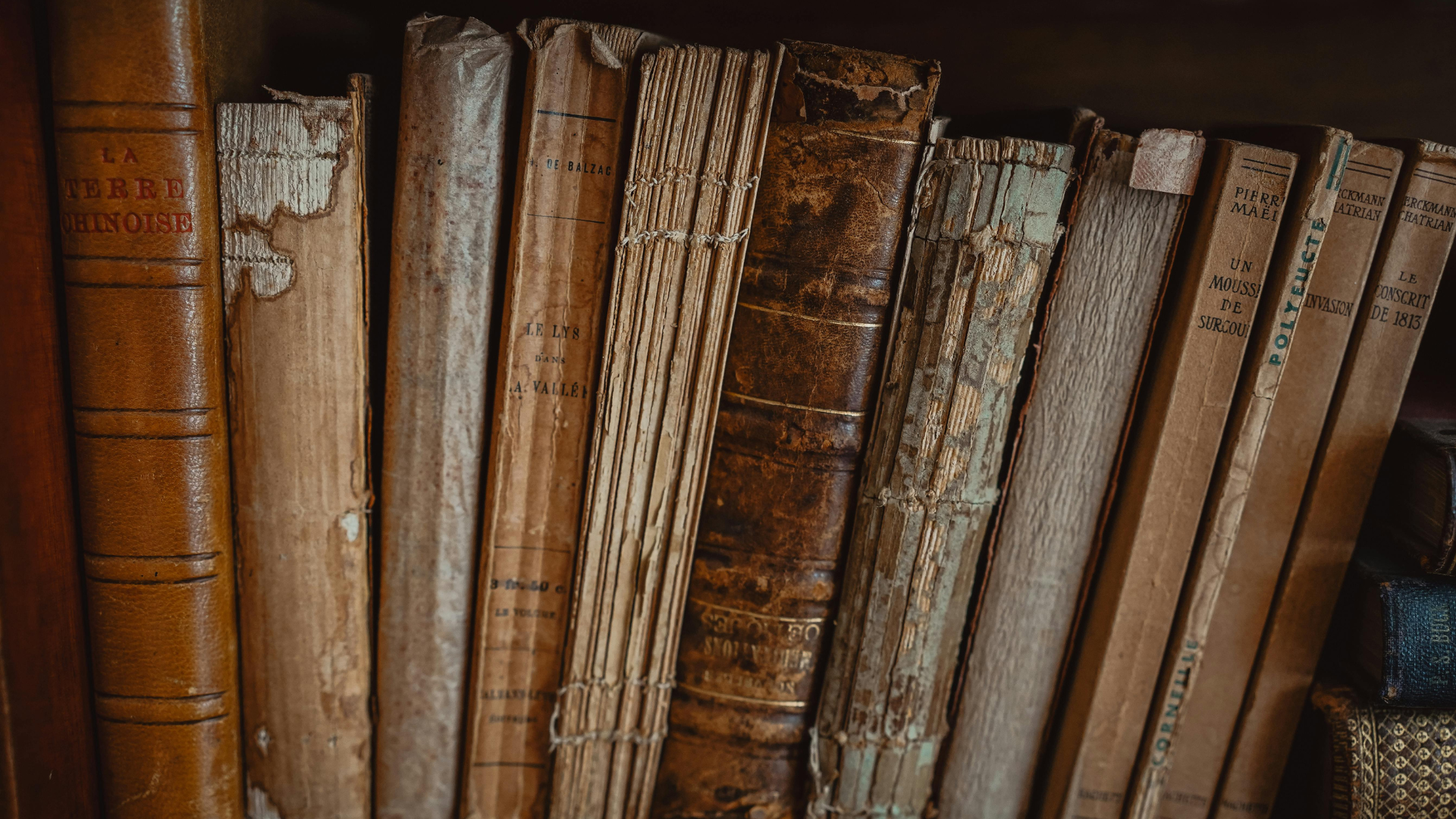
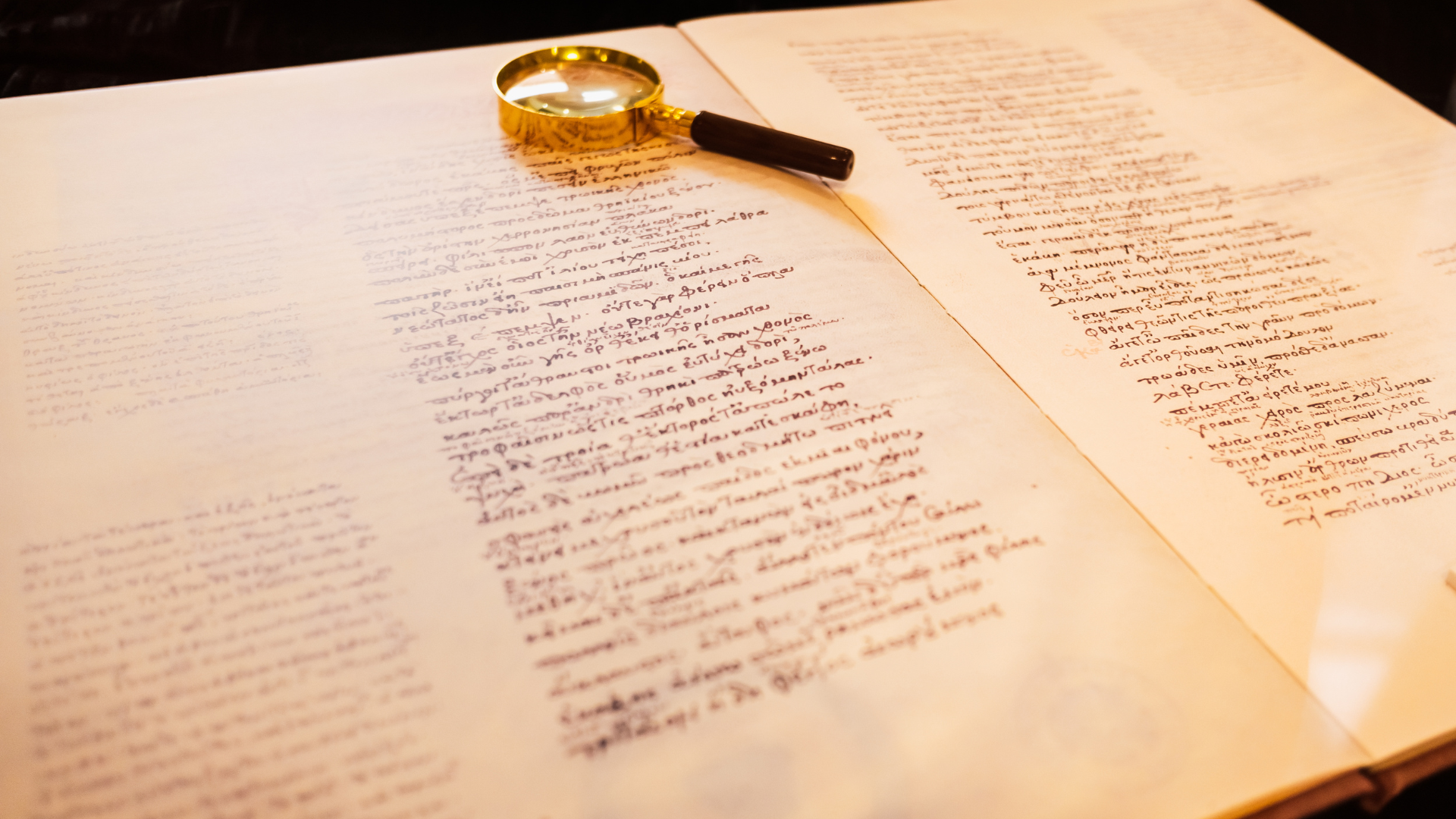
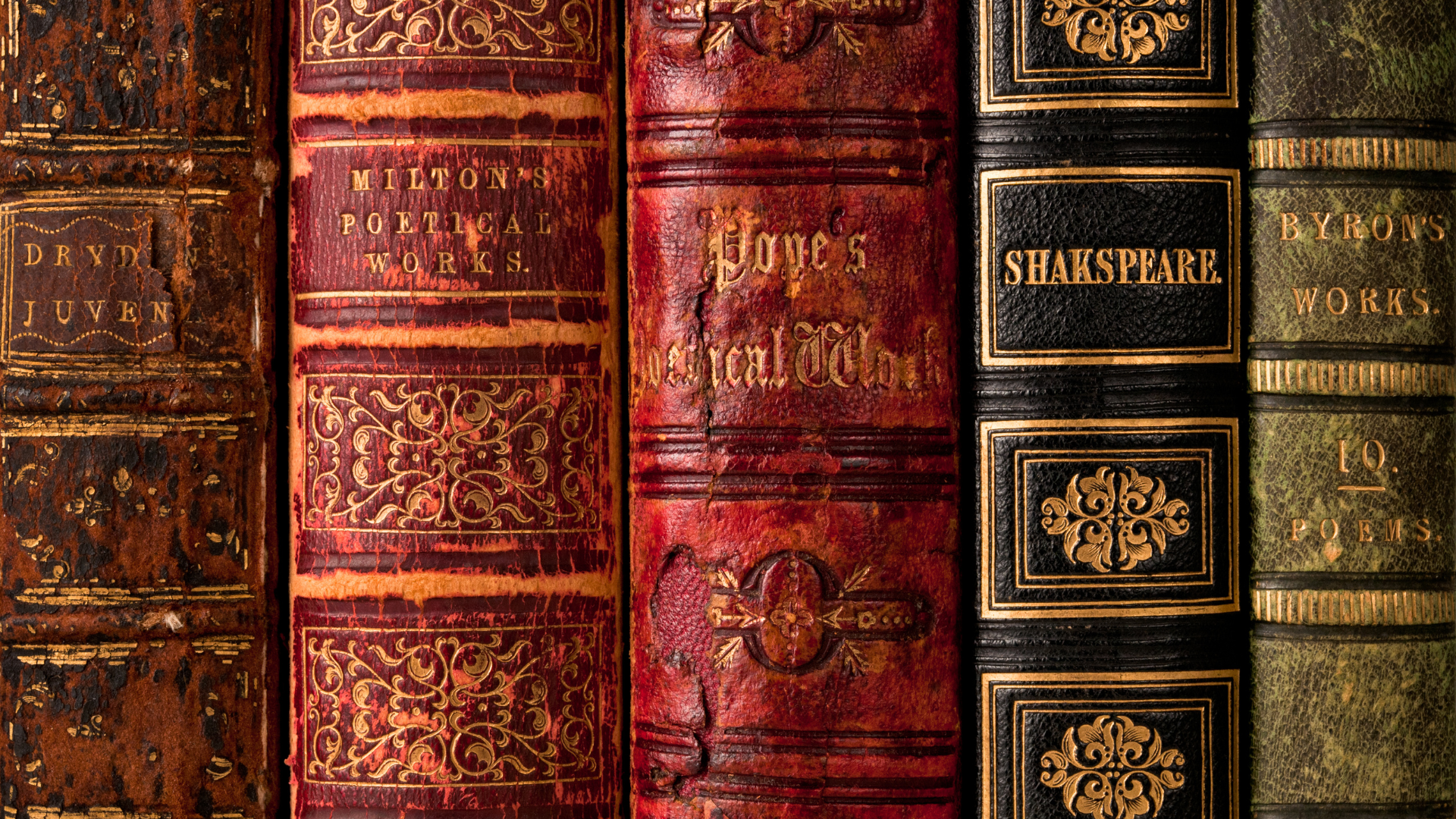
Physical books are a permanent, unalterable material witness. Once a book is printed, bound, and distributed into the hands of ordinary people, its text is locked in time. A physical volume printed in 1850 or 1920 cannot be retroactively edited by a modern algorithm or a corporate censorship committee. By preserving physical copies and producing faithful, unedited reprints of historical literature, we create an unbreakable, physical baseline of truth that remains completely immune to modern manipulation.
Preventing the Loss of Civilizational Wisdom
Every generation suffers from a natural cultural arrogance—the belief that because we possess advanced technology, we are automatically wiser and more enlightened than the generations that preceded us. This arrogance leads us to ignore or actively discard the literature of the past, assuming it has nothing left to teach us.
But when we discard old books, we throw away the hard-earned wisdom resulting from centuries of human trial, error, triumph, and tragedy. Historical literature contains deep, diagnostic insights into human nature, the cyclical rise and fall of political systems, the psychological impacts of economic collapses, and the paths to spiritual renewal.
If we fail to pass these physical books down to our children, we force them to navigate an increasingly complex and unstable future completely blind, doomed to repeat the most catastrophic mistakes of history.
The Home as a Living Archive
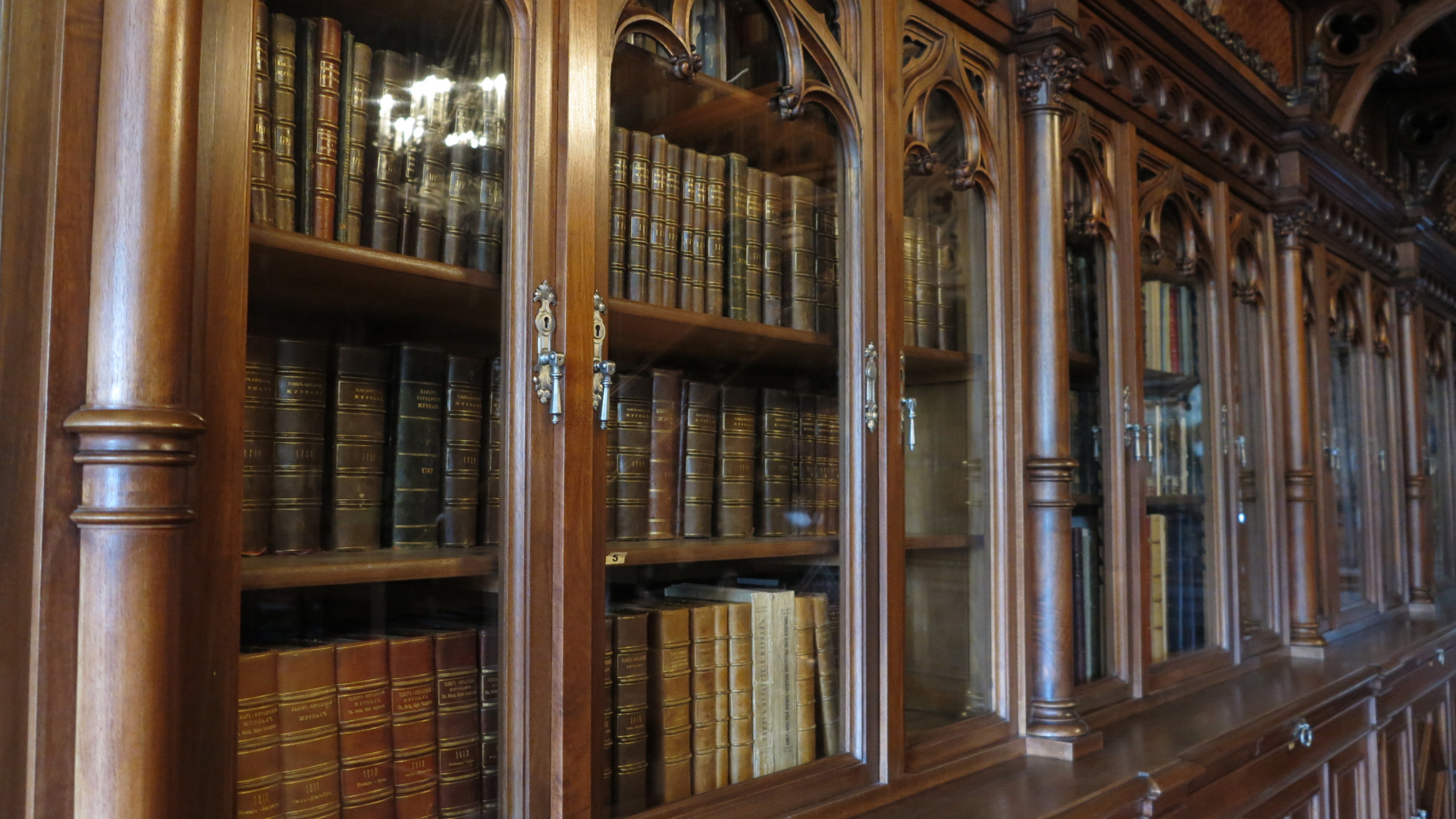
You do not need a degree in museum curation or archival science to protect history. You can turn your own home into a powerful, living archive simply by intentionally building a library of substance.
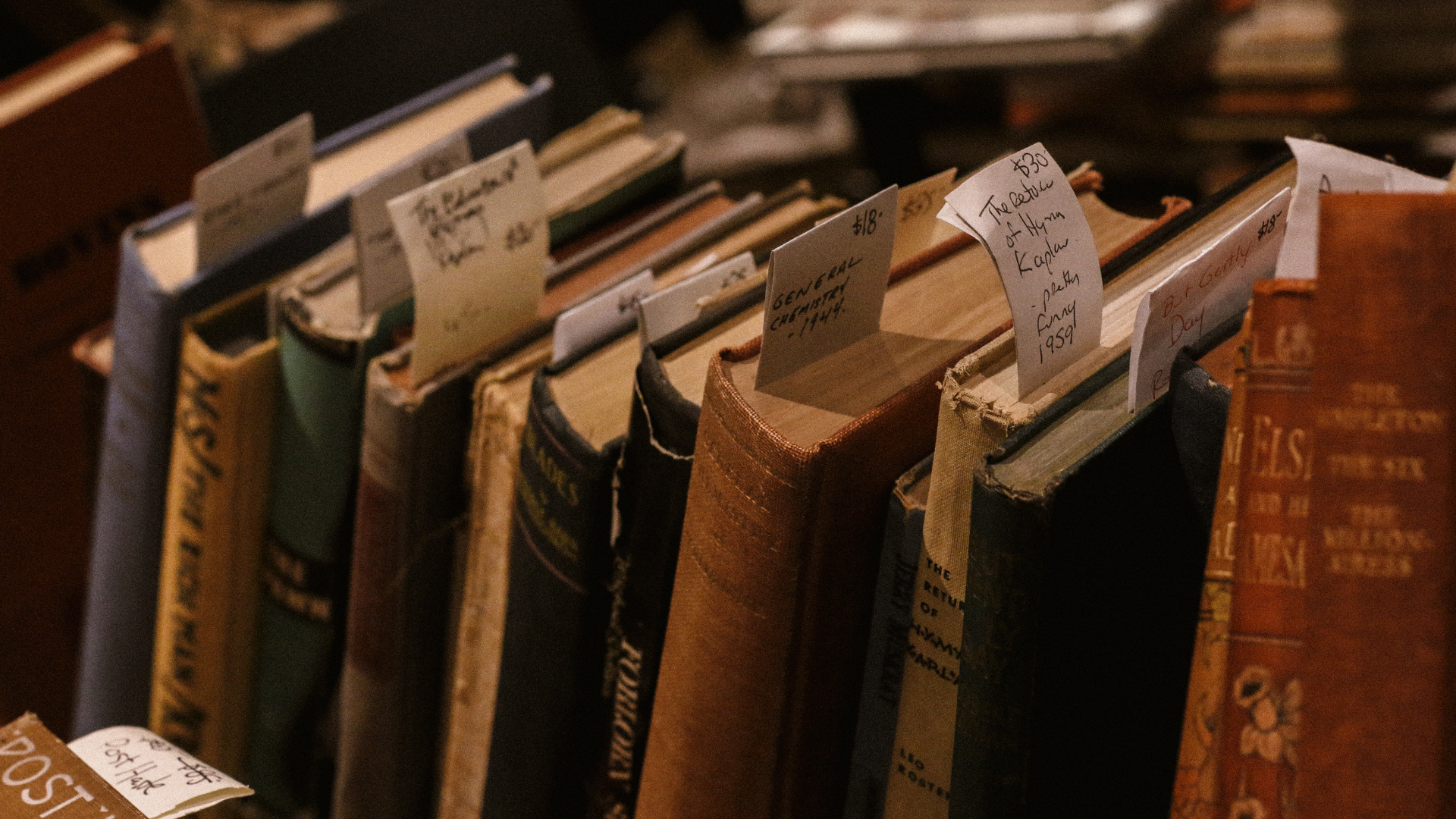
- Invest in Longevity: Prioritize high-quality, durable physical books over disposable media.
- Establish a Culture of Respect: Teach your children that books are sacred artifacts, historical witnesses meant to be cared for and studied.
- Pass the Torch: Read old books aloud, discuss their themes around the dinner table, and make your library a central pillar of your family legacy.
-
By protecting these physical texts within our homes, we act as links in an unbroken chain, ensuring that the torch of human truth is passed safely down to those who will inherit the earth.